


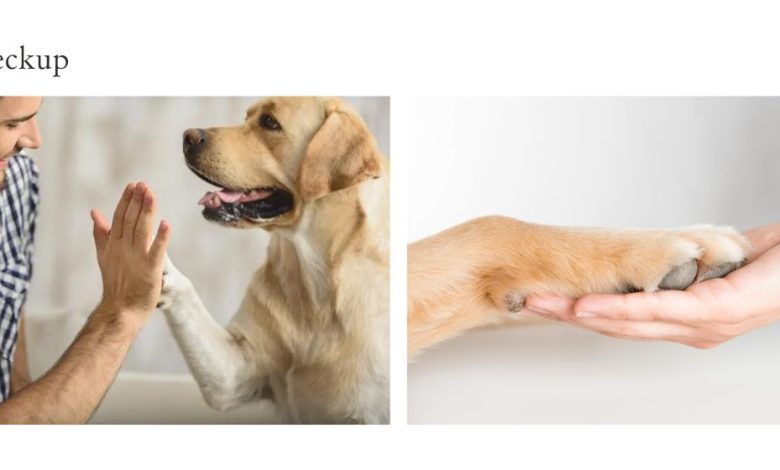
Pet-assisted therapy, also known as animal-assisted therapy (AAT) or pet therapy, is a form of care that involves using animals to help individuals cope with various physical, mental, emotional, and social conditions. The presence of trained animals in therapeutic settings has been shown to provide numerous benefits and promote overall well-being.
The use of animals in therapeutic settings has been traced back to ancient times. The Greeks, Romans, and Egyptians recognized the healing properties of animals and used them in their treatment. However, modern pet-assisted therapy began gaining recognition in the 19th century when Florence Nightingale observed that small pets helped improve the mood and overall well-being of patients in hospitals.
During the 20th century, the field of pet-assisted therapy gained momentum. The use of therapeutic animals has become more structured and organized. Dogs, cats, and horses are among the most commonly used animals for this purpose. Currently, pet-assisted therapy programs are found in various healthcare settings, including hospitals, nursing homes, rehabilitation centers, schools, and mental health facilities.
[arm_form id=”102″ form_position=”center” assign_default_plan=”0″ logged_in_message=”You are already logged in.”] [arm_restrict_content plan=”unregistered,” type=”hide”]
How is it done?
Pet-assisted therapy involves trained animals working alongside healthcare professionals to enhance their therapeutic experiences. The methods used in pet-assisted therapy can vary depending on the goals and needs of the individual and these include:
- Animal visitation: Trained animals, such as dogs, cats, rabbits, or birds, visit individuals in hospitals or care facilities and provide companionship and emotional support.
- Animal-assisted activities (AAA): These activities involve structured interactions between the animal, handler, and individual receiving therapy. Examples include playing games, performing tricks, and engaging in physical exercise with animals.
- Animal-assisted therapy (AAT): This involves the inclusion of animals as an integral part of the treatment process. Under the guidance of a healthcare professional, animals are incorporated into specific therapeutic activities tailored to meet the individual’s therapeutic goals.
What animals are used?
Dogs are the most popular choice for pet therapy because of their sociable nature, ability to form strong bonds with humans, and versatility in various settings. Various breeds such as Labrador Retrievers, Golden Retrievers, and Beagles are often trained as therapeutic dogs.
Cats can also be used in pet therapy, particularly in settings where dogs may not be suitable or preferred. Cats are known for their calming presence and can provide emotional support and companionship to individuals. Their gentle demeanors and purring can have soothing effects.
Equine-assisted therapy involves interactions with horses to promote emotional growth, build confidence, and develop trust. The horse’s size and power can also be used to facilitate physical therapy. This type of therapy is often used in programs for individuals with mental health problems or physical disabilities.
Birds such as parrots, cockatiels, and canaries can be used in pet therapy to provide companionship and stimulate social interaction. Their colourful plumage and ability to mimic sounds can bring joy and amusement to individuals.
Rabbits are social animals that can provide comfort and relaxation through gentle interaction. Their soft fur and calm persona make them suitable for pet therapy programs, especially in settings such as hospitals or nursing homes.
Animals such as guinea pigs, hamsters, and gerbils can be used in pet therapy because of their small size, docile nature, and ease of handling. They can be beneficial for individuals with limited mobility, or for those who prefer smaller animals.
Some reptiles, such as turtles or lizards, may be used in pet therapy programs, especially in educational or sensory-focused settings. The observation of these creatures can promote a sense of calmness and provide opportunities for learning and sensory stimulation.
However, not all animals are suitable for every therapeutic setting. The choice of animals depends on factors such as specific therapeutic goals, environment, preferences, and needs of the participants, and expertise of the therapy team.
What are the benefits?
- Emotional Well-being: Interacting with animals during therapy can promote feelings of joy, comfort, and relaxation. It can reduce stress, anxiety, and depression and improve overall emotional well-being. Animals provide unconditional love and support, creating a safe and non-judgmental space for individuals to express their emotions.
- Social Engagement: Animals in therapy act as social catalysts, helping individuals to break down barriers and initiate social interactions. They facilitate communication and encourage individuals to open up, leading to improved social skills, increased self-confidence, and enhanced relationships with others.
- Stress Reduction: The presence of animals has a calming effect and can help reduce physiological responses to stress, such as lowering blood pressure, heart rate, and cortisol levels. Petting or cuddling animals releases endorphins (good hormones) in the body, promoting relaxation and reducing anxiety.
- Physical health improvement: Interactions with animals can provide physical health benefits. Activities, such as walking a dog or grooming a pet, can provide exercise, promote mobility, and improve coordination. Pet-assisted therapy has been shown to lower blood pressure, enhance cardiovascular health and aid pain management.
- Cognitive Stimulation: Pet-assisted therapy can stimulate cognitive processes such as attention, memory, and problem-solving. Engaging with animals, following instructions, and participating in structured activities can improve cognitive function and promote mental alertness.
- Motivation and Engagement: The presence of animals in therapy sessions can increase motivation and engagement in individuals who may otherwise be resistant or disinterested. Animals provide a source of motivation and rewards, making therapy sessions more enjoyable and encouraging active participation.
- Improved Self-Esteem and Empathy: Positive interactions with animals can boost self-esteem and self-confidence. Animals offer unconditional acceptance that can help individuals develop a positive self-image. Additionally, caring for animals during therapy can promote empathy, nurturing skills, and a sense of responsibility.
- Distraction and Diversion: Animals can serve as a positive distraction from pain, discomfort, or negative thoughts. Focusing on interacting with animals can divert attention from distressing situations, providing temporary relief and a break from emotional or physical challenges.
- Enhancing Therapy Outcomes: Pet-assisted therapy can complement traditional therapeutic approaches and enhance the effectiveness of various interventions. The presence of animals can facilitate rapport and trust between the therapist and client, leading to more productive and successful therapy outcomes.

Who is it beneficial for?
Pet-assisted therapy has been found to reduce anxiety, depression, and post-traumatic stress disorder (PTSD). Interacting with animals can help improve social skills, communication, and emotional regulation.
Pet-assisted therapy can assist physical rehabilitation, enhance motor skills, and encourage movement. The presence of therapy animals has been shown to reduce stress, lower blood pressure, and improve the overall emotional well-being of individuals with chronic illnesses.
Pet therapy can help improve cognitive function, reduce agitation and aggression, and enhance social interactions in individuals with these conditions.
What are the regulations associated with pet-assisted therapy?
The regulations associated with pet-assisted therapy can vary depending on the country, state, and institution. However, some common regulations and considerations include the following.
Animal selection and training: Therapy animals are often required to undergo specific training and certification to ensure that they are well-behaved, responsive, and suited to the therapy environment.
Handler qualifications: Handlers of therapy animals may need to meet certain qualifications, such as completing training programs, demonstrating knowledge of therapy protocols, and maintaining appropriate control over the animals during sessions.
Health and safety protocols: Institutions typically require therapeutic animals to be up-to-date on vaccinations, undergo regular health screenings, and adhere to hygiene protocols to ensure the safety and well-being of both the animals and the individuals they interact with.
Liability insurance: Organizations or individuals providing pet-assisted therapy may be required to carry liability insurance to protect against any potential risks or incidents that may occur during the therapy sessions.
Regulations and guidelines can vary; therefore, it is advisable to consult local authorities, professional organizations, or therapy programs for specific requirements in your area.
Even though there are many advantages to pet therapy, it is important to be aware of any possible dangers such as:
- Allergies and Zoonotic Infections: People who have allergies or asthma may respond negatively to animals by sneezing, itching, or finding it difficult to breathe. If sufficient hygiene precautions are not taken, several zoonotic illnesses (diseases transmitted between animals and humans) can also be a problem.
- Animal-Related Injuries: Getting close to animals, especially bigger or more active ones, might increase the danger of getting scratched, bitten, or hurt from falls. This is particularly true for vulnerable groups like kids or those with limited mobility.
- Emotional Triggers: Some people may experience emotional triggers during pet therapy sessions that are connected to traumatic experiences or their fear of animals. This could lead to an increase in worry, sadness, or emotional suffering.
- Animal misbehavior: Animals used in pet therapy are often well-trained and behaved. However, there is still a possibility that the individual undergoing therapy may exhibit illogical behavior’s, such as outbursts of rage or terror.
It is critical to keep in mind that these risks can be minimized by carefully selecting and selecting therapy animals, adequately training handlers, and adhering to safety standards. Additionally, pet therapy typically has more beneficial impacts than negative ones, including improved mood, increased social interaction, and less stress. Consequently, it’s essential to consider each person’s needs, preferences, and individual health while using pet therapy as an intervention.
References:
- Hooker, Shirley D. RN, BSN; Holbrook Freeman, Linda RN, DNS; Stewart, Pamela RN, BSN. Pet Therapy Research: A Historical Review. Holistic Nursing Practice 17(1):p 17-23, October 2002.
- https://www.pawsforpeople.org/who-we-are/benefits-of-pet-therapy/
- What Is Animal Therapy? (verywellhealth.com)
- Animal therapy: How it works, benefits, and more (medicalnewstoday.com)
- Dimitrijević I. Animal-assisted therapy–a new trend in the treatment of children and adults. Psychiatr Danub. 2009 Jun;21(2):236-41. PMID: 19556955.
- Risks Associated with Animal-Assisted Intervention Programs: A Literature Review – PMC (nih.gov)
- Chan, Mei Mei, and Gonzalo Tapia Rico. “The “pet effect” in cancer patients: Risks and benefits of human-pet interaction.” Critical reviews in oncology/hematology143 (2019): 56-61.
- Hardin, Pam, Janice Brown, and Mary Ellen Wright. “Prevention of transmitted infections in a pet therapy program: An exemplar.” American Journal of Infection Control7 (2016): 846-850.
[/arm_restrict_content]