


They heal with their hands — and their words.
Across time and continents, these physician-authors have shown that medicine and literature share a common heart: empathy. Whether writing about the agony of illness or the wonder of discovery, they remind us that storytelling is also a form of healing.
Indian Voices: Healing in Words
1. Kavery Nambisan
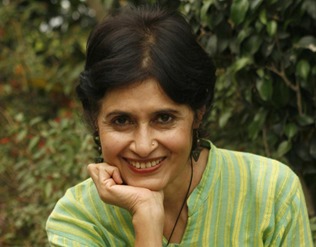
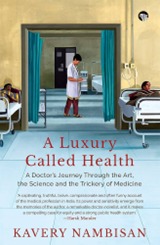
A surgeon and novelist, Kavery Nambisan writes with the insight of a doctor and the sensitivity of a storyteller. Her novels—The Hills of Angheri, The Story That Must Not Be Told, and the non-fiction A Luxury Called Health—delve into rural India, ethics, and the doctor’s inner world. Her humane and honest writing brings the medical profession closer to the reader’s heart.
2. Harbhajan Singh Rissam
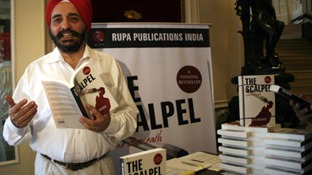
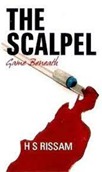
An interventional cardiologist turned author, Dr. Harbhajan Singh Rissam made waves with The Scalpel—Game Beneath, a fast-paced medical thriller exposing corruption and moral conflict in healthcare. A physician who dared to critique his own world, Rissam’s legacy lies in his courage to write truth through fiction.
3. Chandrakant Lahariya
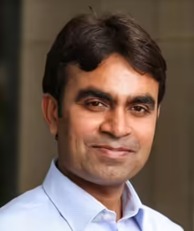
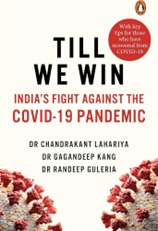
Dr. Chandrakant Lahariya, public-health expert and co-author of Till We Win: India’s Fight Against the COVID-19 Pandemic, helped make complex health policy accessible to millions. A WHO advisor and policy thinker, his writing bridges the gap between scientific rigor and social relevance.
4. Tripti Sharan
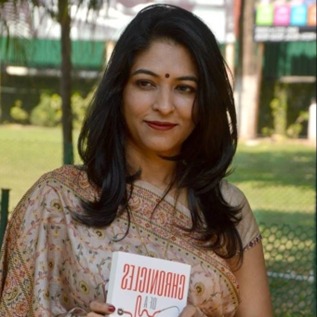
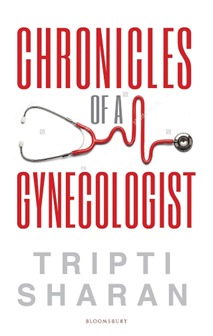
A Delhi-based gynaecologist, Dr. Tripti Sharan blends compassion and candour in Chronicles of a Gynaecologist and The Trials of Being a Good Girl. Her work reflects the emotional burdens of doctors and women, exposing the unseen struggles of both.
5. Hansda Sowvendra Shekhar
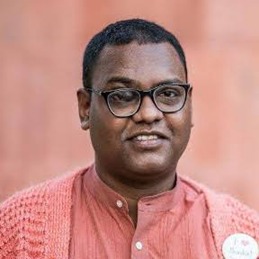
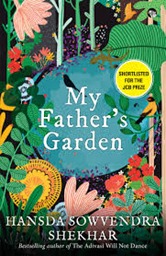
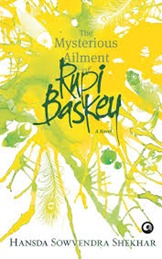
Dr. Hansda Sowvendra Shekhar, a medical officer and Sahitya Akademi awardee, writes about tribal lives and healthcare realities in Jharkhand. His novels The Mysterious Ailment of Rupi Baskey and My Father’s Garden reveal a rare blend of medical insight and literary brilliance.
6. Chaya Bhuvaneswar
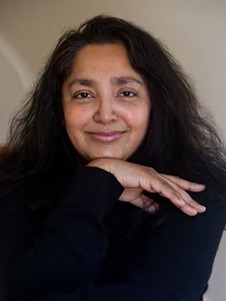
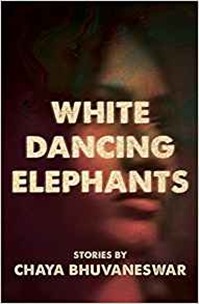
A US-based psychiatrist of Indian origin, Dr. Chaya Bhuvaneswar gained acclaim for White Dancing Elephants, a collection exploring trauma, gender, and identity. Her writing fuses psychological understanding with lyrical narrative, reflecting the human mind in all its complexity.
7. Anupama Niranjana (1934–1991)
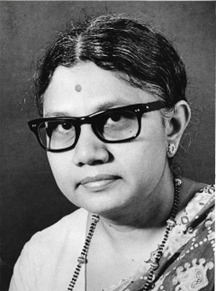
Kannada writer and physician Dr. Anupama Niranjana used her stories to highlight women’s rights and healthcare disparities. Through works like Runamuktalu, she addressed social injustice and moral conflict, becoming one of regional India’s most respected literary doctors.
Global Icons of Medicine and Literature
1. Abraham Verghese
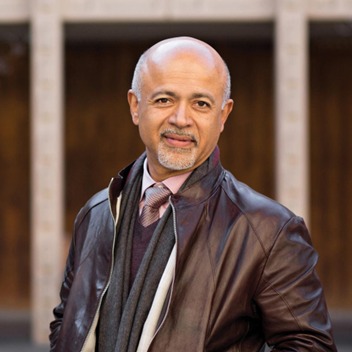
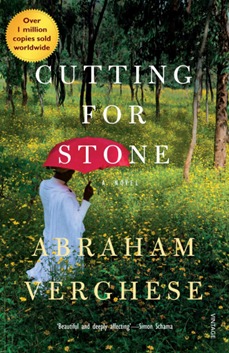
Born in Ethiopia to Indian parents, Dr. Abraham Verghese is a Stanford professor, physician, and novelist whose works—My Own Country, The Tennis Partner, and Cutting for Stone—explore migration, empathy, and the sacred bond between doctor and patient. A recipient of the National Humanities Medal, he champions the art of bedside medicine.
2. Siddhartha Mukherjee
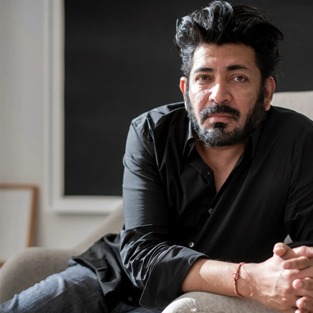
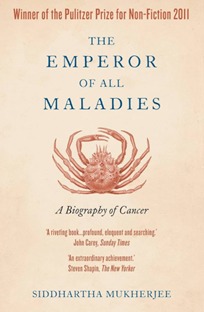
A Rhodes Scholar and Pulitzer Prize–winning oncologist, Dr. Siddhartha Mukherjee reshaped medical storytelling through The Emperor of All Maladies and The Gene. His writing bridges molecular biology and human emotion, illuminating the science of life with poetic clarity.
3. Atul Gawande
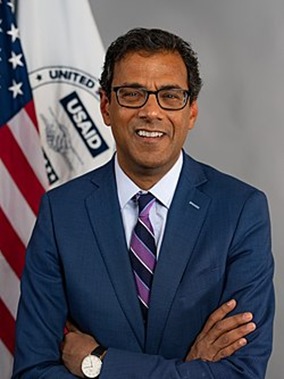
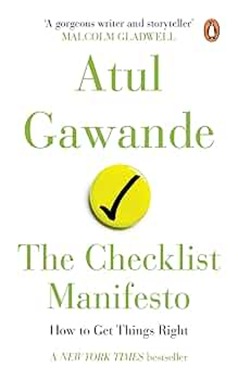
Surgeon, researcher, and author, Dr. Atul Gawande brought reformist insight through Complications, The Checklist Manifesto, and Being Mortal. His explorations of system errors, mortality, and compassion have changed global healthcare thinking. A MacArthur “Genius” Fellow, he redefined what it means to practice—and write—medicine.
Classic Masters
1. A. J. Cronin (Scotland)( 1896 – 1981)
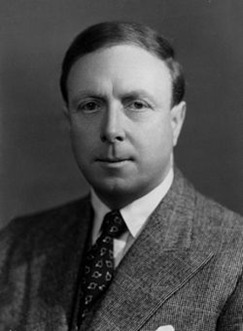
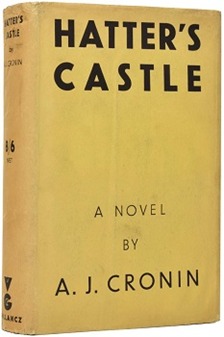
The physician-novelist whose The Citadel helped inspire the creation of Britain’s NHS, Dr. A. J. Cronin turned personal experience into social commentary. His blend of realism and moral courage made him one of the 20th century’s most influential doctor-authors.
2. Anton Chekhov (Russia)
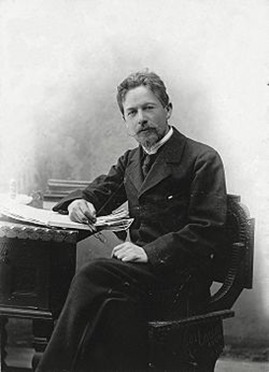
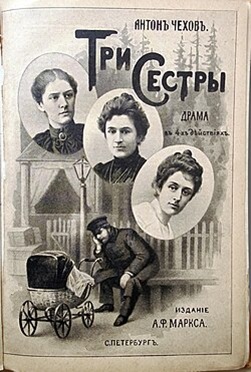
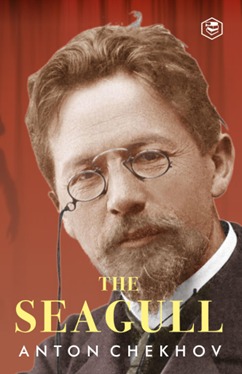
Dr. Anton Chekhov practiced medicine “to support himself, but wrote to live.” His plays (The Cherry Orchard, The Seagull) and hundreds of short stories transformed world literature. Through a doctor’s detached observation and a poet’s empathy, he taught the world to see the beauty in ordinary suffering.
3. Arthur Conan Doyle (UK)
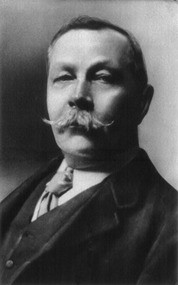

Creator of Sherlock Holmes, Dr. Arthur Conan Doyle used his diagnostic training to craft literature’s most famous detective. His mastery of observation and deduction reflects the clinical eye of a true physician.
4. Richard Gordon (UK)
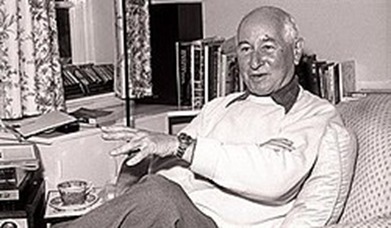
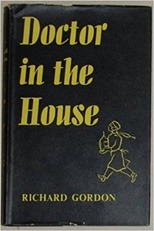
Author of the humorous Doctor in the House series, Dr. Richard Gordon turned hospital life into comedy. His witty novels and film adaptations captured the chaos and camaraderie of medical students everywhere.
Modern Storytellers in Scrubs
1. Michael Crichton (USA)
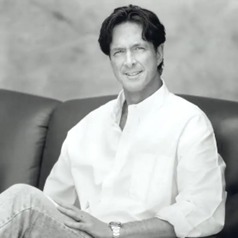
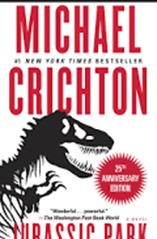
A Harvard-trained physician, Dr. Michael Crichton used science as a playground for imagination. From The Andromeda Strain to Jurassic Park, he turned complex scientific ideas into bestselling thrillers that defined a genre
2. Oliver Sacks (UK/USA)
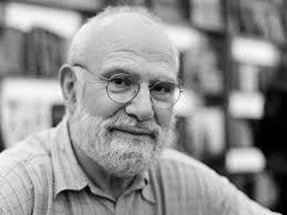
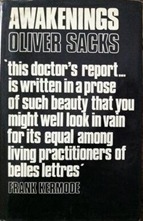
(Front cover of first UK edition)
Dr. Oliver Sacks, the beloved neurologist-author of Awakenings and The Man Who Mistook His Wife for a Hat, transformed case histories into profound meditations on consciousness and humanity. His empathy and wonder made neuroscience lyrical.
3. Paul Kalanithi (USA)
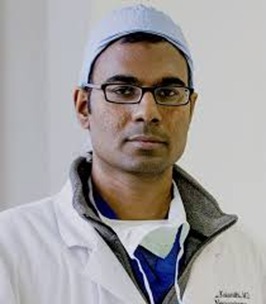
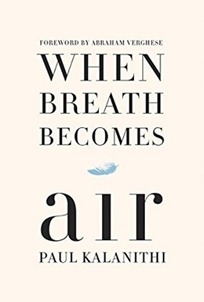
A neurosurgeon who wrote while facing his own mortality, Dr. Paul Kalanithi’s When Breath Becomes Air is a luminous reflection on purpose, death, and meaning. Published posthumously, it remains one of the most moving medical memoirs ever written.
4. Samuel Shem (Stephen Bergman, USA)
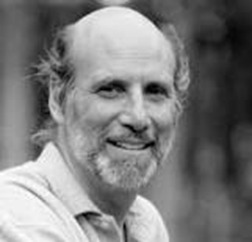
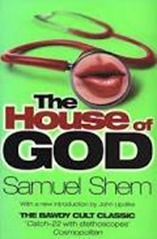
Under the pen name Samuel Shem, psychiatrist Dr. Stephen Bergman wrote The House of God, a searing satire of medical training. Its dark humor and honesty about burnout made it a cult classic among doctors worldwide.
5. Robin Cook (USA)
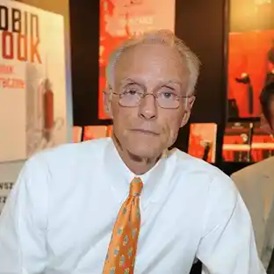
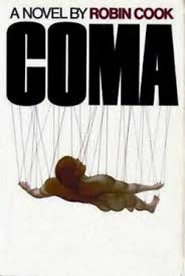
The father of the medical thriller, Dr. Robin Cook created Coma, Outbreak, and Contagion, turning bioethics into entertainment. His novels blend suspense with science, often warning against corporate greed and medical malpractice.
6. Tess Gerritsen (USA)
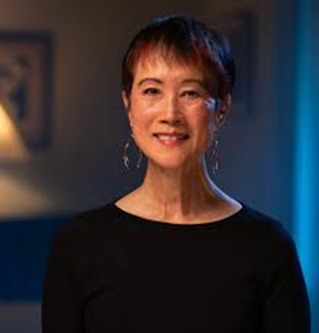
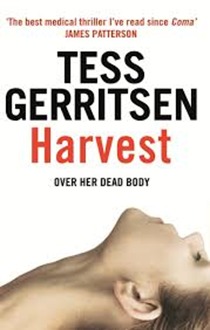
A doctor turned bestselling novelist, Dr. Tess Gerritsen is known for Harvest and the Rizzoli & Isles series. Her meticulous medical knowledge and compelling storytelling have made her one of the most successful women in crime fiction.
7. Nawal El Saadawi (Egypt)
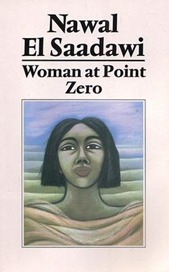
First edition (English)
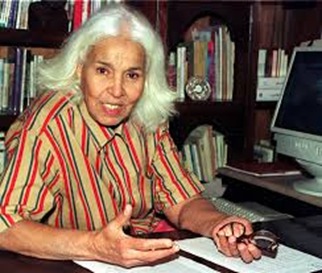
Physician, psychiatrist, and feminist icon, Dr. Nawal El Saadawi fearlessly chronicled gender injustice in Woman at Point Zero and Women and Sex. Her activism and literature challenged oppression, earning her global recognition as the voice of Arab feminism.
8. Viktor E. Frankl (Austria)
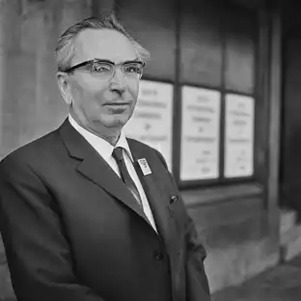
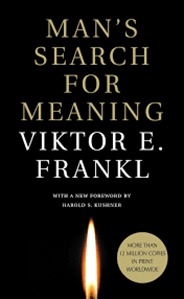
Neurologist, psychiatrist, and Holocaust survivor, Dr. Viktor Frankl wrote Man’s Search for Meaning, one of the most important psychological works of all time. His philosophy of logotherapy teaches that finding purpose is essential to human survival.
9. Richard Selzer (USA)
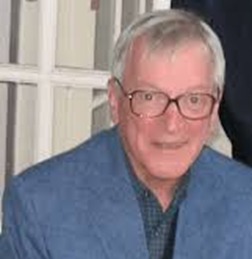
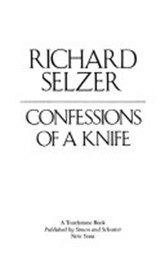
Dr. Richard Selzer, a surgeon turned essayist, wrote Mortal Lessons and Confessions of a Knife, turning surgical experience into literature. His prose celebrates both the fragility and wonder of the human body.
10. Khaled Hosseini (Afghanistan/USA)
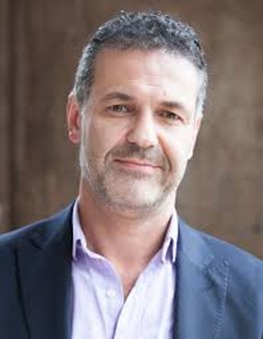
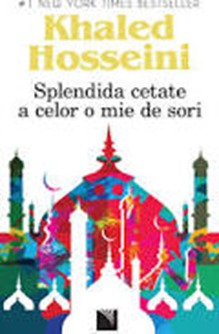
Before fame as a novelist, Dr. Khaled Hosseini practiced medicine. His novels—The Kite Runner and A Thousand Splendid Suns—are testaments to empathy, displacement, and redemption. His medical lens deepens his fiction’s humanity.
11. Adam Kay (UK)
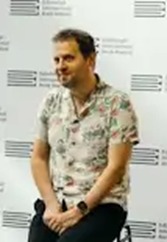
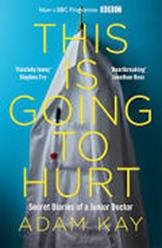
Former NHS doctor Adam Kay transformed his diaries into This Is Going to Hurt, a brutally funny yet heartbreaking look at modern medicine. His humor opened up national dialogue on burnout, mental health, and compassion fatigue in healthcare.
12. Sherwin B. Nuland (USA)
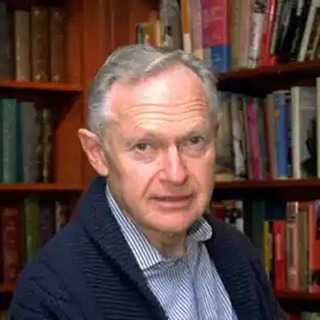
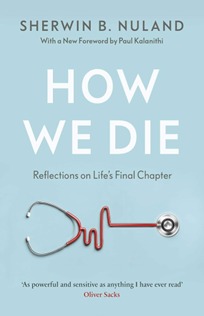
Surgeon and author of How We Die: Reflections on Life’s Final Chapter, Dr. Sherwin Nuland explored death with dignity and realism. His humane writing won the National Book Award and remains a cornerstone of medical ethics.
13. Danielle Ofri (USA)
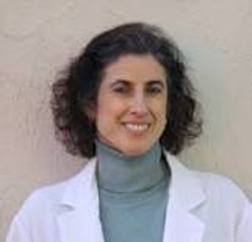
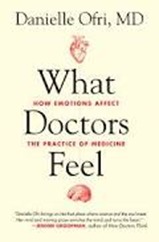
An internist at Bellevue Hospital, Dr. Danielle Ofri is celebrated for What Doctors Feel and Singular Intimacies. She writes about the emotions behind clinical care, revealing the humanity often hidden behind the white coat.