

It was just a tingle in the fingers, along with associated neck pain, until it became a tumor for him. He being the endocrine surgeon Dr. Atul Gawande’s father.
At this point, he had a dilemma: To have a potentially disabled life by cheating death via a risky surgery or to die peacefully as the debilitating tumor had nothing to lose, and the old man had nothing to gain from this experience.
Benjamin Franklin once remarked that the only things that are constant in life are taxes and death. Brushing aside taxes, death is something that we have lots of misconceptions about. That question, answered beautifully by Dr. Atul Gawande with his pristine play of emotions, dry wit and little bits of humour, in the form of the book ‘Being Mortal’. For him, the dilemma of a painful life or a painless death came in the form of his father, who had an anatomically complex tumour in his neck, wherein one thing to another, leading us on to various other related topics of old age, hospice, euthanasia and so on.
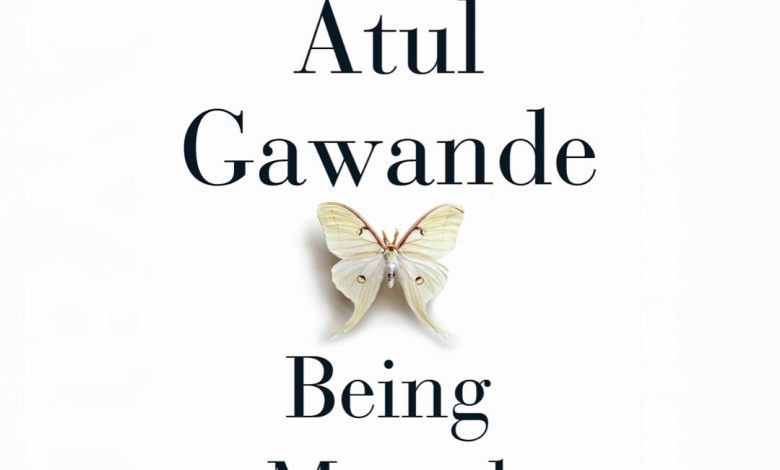
This brings us to Dr. Atul Gawande’s moving, harrowing, yet ultimately poignant book, “Being Mortal: Medicine and What Matters in the End”. It makes us engage in deeper conversations about age, illness and accepting death with grace, and dare we say it, with a little bit of humor.
He states that we, the healthcare industry, are slowly losing sight of our initial goal, which is to improve health and a sense of personal security and well being, rather than just prolonging life for the sake of increasing the numbers in the Life Expectancy Charts. This image, combined with the current news of a
tech billionaire in a quest to reverse aging, brings about a powerful message about the need for a method to accept life as it is, rather than trying to mess with it.
The writing can be a little off-putting at times, while having brutal thoughts about death, he ultimately manages to reel the audience in by showcasing beautiful stories from around the world regarding the overall meaning of healthcare in the best circle of life. The book can be broadly split into two
parts: Stories about getting old, and stories about hospice care. This was beautifully contrasted by a story about a centenarian in India, thriving with basic supervision, and a lady in her seventies, living under hospice care. This differentiation also portrayed the variations in attitudes about old age and the
approach towards impending death.
He clearly gets a point across: As we get old, the body will only have reduced efficiency, and so does the mind, and presents us with the question: What should one do when the very concept of independence becomes independent from us? A little bit of morbid humor and graveyard jokes are present here and
there, alleviating us with some relief from the general earnest bleakness of the book. Of course, his admirable prowess with the English vocabulary is something to be envied, balancing the rope between the general public and the doctors reading this book, offering a unique experience for both.
This book can be summarised, and the review concluded, by this brief, yet beautiful quote from the book: ‘Our Ultimate Goal, After All, Is Not A Good Death, But A Good Life To The Very End’.