

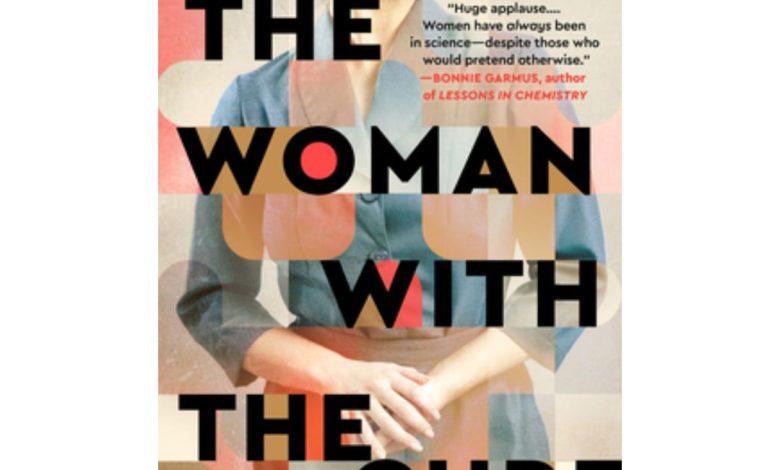
Being a dentist and mother to a lively two-year-old, I have always been physically mindful of how valuable health is, and how quickly our sense of safety can disappear when disease enters the picture. Few books have ever managed to bring those emotions alive for me as Lynn Cullen’s The Woman with the Cure did. Dorothy Horstmann’s contributions to medicine most likely deserve much more recognition than they have ever received, and as I read, I felt a thread of personal connection running through almost every scene.
I’ll admit, I didn’t know much about the history of polio before picking up this novel. In my daily work, I preach the importance of immunization to parents, grateful that deadly diseases like polio are now part of history for most of us. But Cullen’s storytelling reminded me that this safety net wasn’t just always there, it was created and fiercely protected by people like Dorothy. Her scientific stubbornness was matched only by her compassion, she spent time with families whose children had been ill, and she kept searching for answers in her lab, even when men around her got the credit or the spotlight.
That really hit home for me. I’ve had moments in my career where my expertise was questioned; sometimes it’s subtle, sometimes it isn’t. Seeing Dorothy repeatedly overlooked by peers, expected to pour coffee instead of research, felt heartbreakingly familiar. And still, she pressed on, letting her results speak when no one else would listen. It underlines for me that in medicine, particularly when children’s health is at risk, persistence and integrity are more crucial now than ever.
What I loved most about Cullen’s writing is how real everything felt. She doesn’t romanticize Dorothy; instead, she lets us see the exhaustion, the self-doubt, the heartbreak at each setback. The polio wards and hospital scenes come alive in an unsettling way; you can smell the disinfectant, hear the sounds of suffering, and sense the fear in every parent’s eyes. I found myself thinking about what it might have been like to raise a young child during those years, when even letting them play outside was a risk. It’s reassuring to know that today, our children run freely because of one woman’s commitment behind the scenes.
As a dentist, I also appreciated the perfect blending of human emotion with scientific accuracy. Cullen never talks down to her readers. The explanations of how the poliovirus moves and why Dorothy’s research mattered were clear, but never dry. It’s the same approach I try to use every day in my practice, whether I’m soothing a parent worried about their toddler’s first cavity or discussing prevention strategies for children with special needs. It’s always about the people you help, never just the facts.
Beyond medicine and motherhood, the story had a lot to say about the sacrifices women make for a greater goal. Dorothy gave up a lot, self-promotion, recognition, and even personal happiness, for the health of future generations. Reading her story gave me perspective on all the unseen labor that supports our modern lives. So many breakthroughs celebrated today were built on the back of quiet persistence. It’s a message I’ll carry with me, whether I’m at work with a patient or at home with my child.
When I finished the book, I felt both gratitude and responsibility. Gratitude that my family lives in a world where polio is rare. Responsibility to tell my patients, and my young child as she grows, what it took to get here and why we should never take progress for granted. Dorothy Horstmann’s story isn’t just inspiring; it’s a call to action for anyone in healthcare to keep fighting the good fight, even when the spotlight is pointed elsewhere.